
Brand Architecture Strategy: Models, Examples, and Governance
Brand architecture is the system that organizes your corporate brand, sub-brands, products, and services into a clear hierarchy. When the structure is right, customers understand you faster, teams stop improvising, and your branding, marketing, and advertising work harder with less waste.

What Brand Architecture Fixes (Fast)
Without a structure, portfolios bloat. Customers hesitate, teams invent names, and your system fractures. Architecture brings order so each launch compounds trust instead of resetting it.
- Reduces customer confusion across product lines, services, and tiers
- Improves marketing efficiency by making the “family relationship” obvious
- Protects premium positioning while expanding categories and segments
- Aligns branding, marketing, and advertising so messaging stays consistent
- Creates governance rules that prevent drift over years—not weeks
Decision Matrix: Which Architecture Fits Your Portfolio?
The “best” model depends on audience similarity, risk, pricing logic, and how much equity your master brand can carry. Use this matrix to choose a structure that stays stable as you scale.
| Model | Best when… | Watch out for… | Typical naming |
|---|---|---|---|
| Branded House | Offers share the same trust signal, quality level, and audience logic. |
One failure can splash onto the whole brand; weak governance creates chaos. |
Master Brand + Descriptor (e.g., “Brand X Payments”) |
| Endorsed Brands | Sub-brands need personality, but you still want master-brand trust. |
Over-endorsement can flatten distinct positioning; under-endorsement wastes equity. |
Sub-brand (primary) + “by Master Brand” |
| House of Brands | Audiences or price tiers are very different, or acquisitions must keep equity. |
Higher marketing spend; parent equity doesn’t automatically transfer. |
Independent names + portfolio governance |
Quick recommendation rules
- Choose Branded House when your promise is the product and consistency is the moat.
- Choose Endorsed when differentiation matters, but trust must transfer.
- Choose House of Brands when independence protects premium positioning or reduces risk.
If you want, we can run this decision in a 60-minute audit and give a clear model recommendation.
The Three Primary Types of Brand Architecture
1) Branded House (Monolithic Architecture)
One dominant corporate brand leads, while sub-brands use the same name with descriptive qualifiers. Customers mainly remember the master brand, which increases efficiency across marketing and advertising.
Related: Brand Identity Systems · Marketing Strategy
2) House of Brands
Each product or business acts independently with its own audience, identity, and campaigns. This is powerful when you need separation—either because of price tiers, segments, or acquisition dynamics.
Related: Naming Strategy · Advertising Campaigns
3) Endorsed Brands
Sub-brands keep distinct personalities while the master brand appears as a visible endorsement. It signals “different, but from the same people you already trust.”
Related: Brand Positioning Strategy · Brand Messaging Framework
Governance: The Part Agencies Skip (And Why Portfolios Drift)
Most architecture pages stop at definitions. Real-world performance comes from governance—rules that teams can follow when deadlines hit. Governance protects premium perception and keeps campaigns consistent across channels.
Naming governance rules (minimum set)
- Descriptor rules: what words you allow after the master brand—and what you ban.
- Endorsement logic: when the master brand is visible, subtle, or invisible.
- Tier clarity: how naming signals premium vs value without confusing the market.
- Category logic: what “counts” as an extension vs a new brand.
- Approval workflow: who signs off before anything ships to market.
Related: Brand Governance & Guidelines · Brand Audit & Research
M&A / Acquisitions: Keep, Merge, or Retire?
Acquisitions often fail to integrate because leadership doesn’t decide how equity transfers. A migration plan prevents duplicated spend, messaging conflict, and confusion during the most expensive period—launch and transition.
Migration plan (phased rollout)
- Equity audit: measure awareness, trust, and category associations for each brand.
- Decision: keep (independent), endorsed, or merge into the master brand.
- Customer clarity test: confirm people understand the relationship in seconds.
- Channel sequence: update web, sales materials, ads, and packaging in a logical order.
- Sunset rules: retire legacy marks and names without breaking trust.
If you are mid-acquisition, the safest approach is a staged endorsement before a full merge.
How We Build a Brand Architecture Strategy
We treat architecture as a leadership system: positioning, naming, hierarchy, and governance—tied to marketing and advertising priorities. The output is a roadmap your team can execute.
- Clarify corporate positioning and growth intent.
- Map audiences, segments, and internal competition.
- Choose the architecture model using the decision matrix.
- Define naming rules and endorsement logic.
- Set hierarchy standards and governance templates.
- Plan rollout phases aligned to campaigns and budgets.
Deliverables (What You Actually Receive)
- Portfolio map: master brand, sub-brands, product lines, services, and tiers.
- Decision rationale: why the chosen model fits risk, audience, and pricing logic.
- Naming system: descriptors, endorsements, extension rules, and examples.
- Governance kit: rules, workflow, and templates for future launches.
- Rollout plan: phased updates across web, ads, sales, packaging, signage, and internal training.
Next step: connect architecture to identity and campaigns: Brand Identity Systems · Advertising
Real-World Examples (How to Think, Not Just What to Copy)
Examples are useful when they teach logic. The winning move is not copying a brand family—it’s copying the decision criteria.
Example logic patterns
- Branded House: when trust and consistency are the main buying signals.
- Endorsed: when differentiation matters, but reputation must transfer.
- House of Brands: when separation prevents dilution, conflict, or tier confusion.
For proof, see how we structure systems across industries in Collected Works.
Semantic Cocoon: Build the Full Strategy System
This page is one cluster inside the Brand Strategy pillar. Link it tightly to siblings so authority flows naturally.
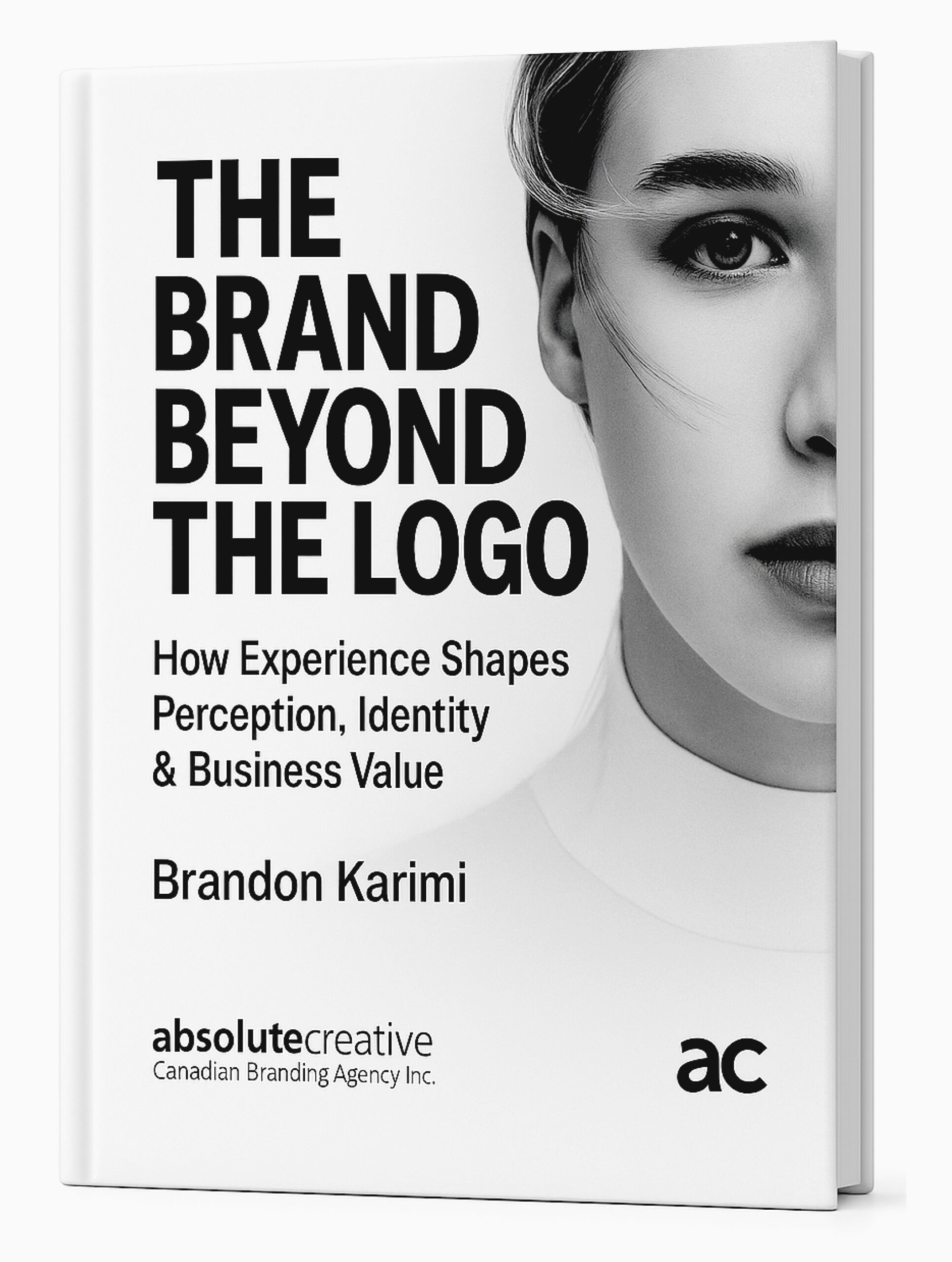
The Brand Beyond the Logo — Architecture Chapter Preview
Architecture should feel inevitable and intelligible before you spend on advertising. This chapter shows how master brands, endorsements, and governance create clarity that scales.
Open the book preview · Talk about applying it

Six Brand Essentials — A Practical Framework
A clean system for leaders who want clarity, consistency, and stronger performance across branding, marketing, and advertising. Use it to align your promise, messaging, and execution—so every campaign compounds trust.
Download the PDF

FAQ
What is brand architecture?
Brand architecture is the hierarchy that organizes your brands and offerings so customers instantly understand what relates, what’s different, and what the master brand guarantees.
What’s the difference between a sub-brand and an extension?
A sub-brand typically needs a distinct position or audience. An extension stays closer to the master brand promise and expands into a related category with shared trust signals.
How does architecture improve marketing and advertising performance?
It reduces message conflict and decision friction. Campaigns become easier to plan because naming, hierarchy, and endorsement logic are already defined.
How long does an architecture project take?
Most teams can define the model, rules, and rollout plan in two to four weeks, depending on portfolio size and acquisition complexity.
Ready to structure your portfolio for clarity and growth?
Start with a 60-minute architecture audit and leave with a clear model recommendation.
Book a strategy sessionNeed naming rules and governance your team can actually follow?
We’ll build endorsement logic, descriptors, and governance templates in a two-week sprint.
Request the governance sprintAcquired a company? Need a migration plan that protects equity?
Get a keep/merge/retire roadmap with phased rollout across web, ads, sales, and operations.
Talk to an expertNext: see Collected Works or explore Brand Identity Systems.