
DOTIN — Naming Strategy for
Enterprise Banking Technology
DOTIN is engineered as an institutional-grade name — built from programming syntax, structured logic and quiet authority. This naming framework supports linguistic credibility across leadership, legal, product and UI environments.
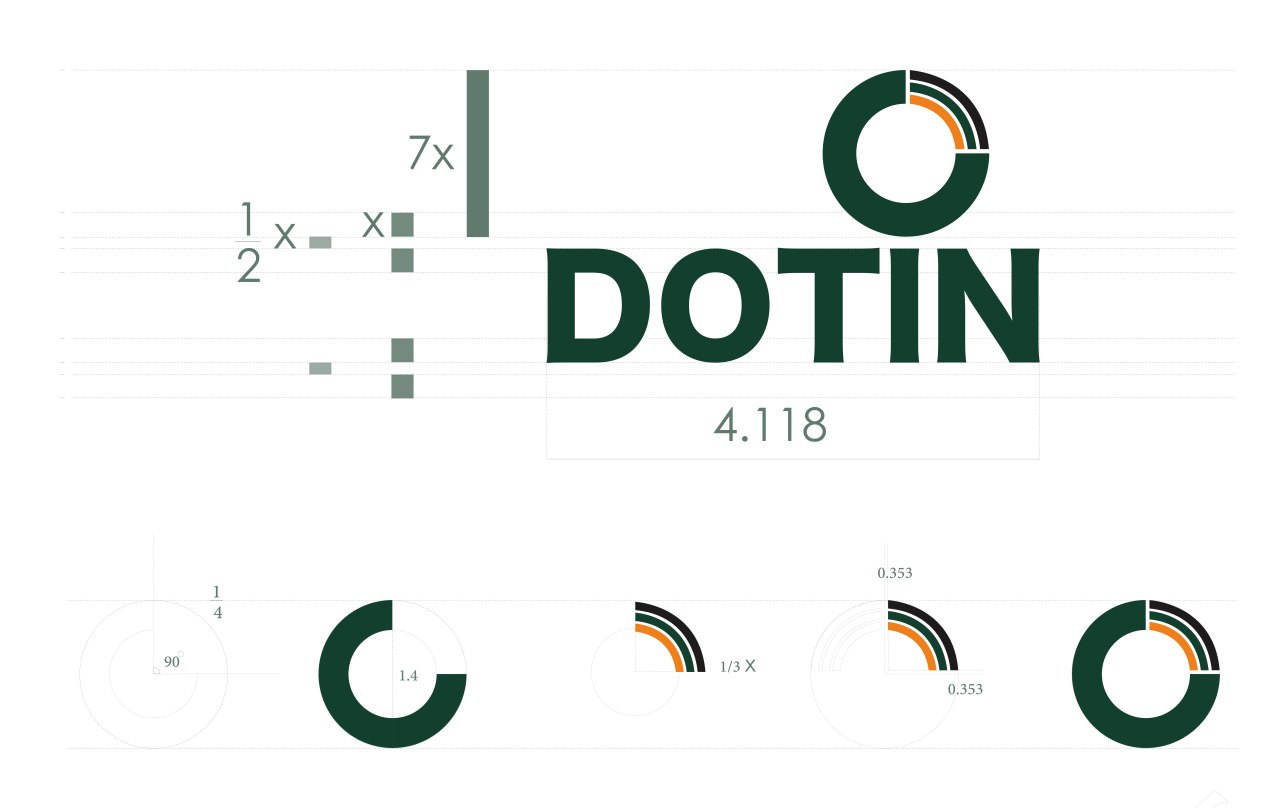
How the Name “DOTIN” Was Engineered
DOTIN was not chosen for emotional impact — it was engineered for function. The name behaves like infrastructure: compact, structured, and credible inside leadership rooms, contracts and enterprise documentation.
The linguistic root begins inside programming environments, where the “dot” acts as a connector — a point where logic, objects and instruction meet. It is mechanical, unemotional, purposeful.
Structure · Meaning · Behaviour
01 — Structure
Strong consonant framing and short syllable weight make DOTIN compact, stable and technical.
02 — Meaning
“Dot” references logic notation.
“In” signals entry into institutional systems.
03 — Behaviour
The name lives inside UI, contracts and governance environments — without theatrics.
Enterprise Naming Programme
Absolute Creative Canadian Branding Agency Inc.
Vancouver · Canada
This naming work sits inside a wider institutional system — connecting identity, governance, product naming and customer-facing language into a single disciplined framework.
DOTIN — Enterprise Naming Strategy & Governance
Why Naming Matters at Enterprise Scale
DOTIN required a name that could operate inside critical financial environments — trusted by executives, regulators and global banking systems. The naming system follows clear principles:
- It must sound institutional — not promotional.
- It must scale globally across languages and legal systems.
- It must behave like governance, not branding alone.
The result is a disciplined naming architecture aligned with strategy, UX, legal stewardship and long-term corporate growth.
How the Name “DOTIN” Was Created
DOTIN originates from programming syntax — the “dot” linking logic, objects and instruction chains. The name signals structure, completion and disciplined execution.
Pronunciation: dot-in
How We Name Enterprise Brands
01 — Define Meaning
Establish the intellectual and cultural field.
02 — Build Linguistic DNA
Engineer sound, rhythm and trust.
03 — Source from Truth
Names emerge from behaviour — never fiction.
04 — Stress-Test
Legal · UI · cultural · governance rigour.
05 — Institutional Alignment
Name reinforces leadership behaviour.
Rules That Protect Integrity
- One approved master name.
- No uncontrolled variations.
- Legal screening precedes rollout.
- Regulated-market language only.
System Growth Rules
Sub-brands must serve the master brand — not compete with it.
- Clear hierarchy.
- Purpose-based labels.
- Consistent linguistic DNA.
Naming & Compliance
- Trademark clearance.
- Regulatory sensitivity analysis.
- Domain and jurisdiction audit.
The Naming Tree
The Master Brand remains the trunk. Products are structured branches. Functions and UX become leaves and signals.
Board-Ready Language Standard
- We are infrastructure — not a toolset.
- We operate inside regulation.
- We design for decades — not releases.
Multi-Region Naming Standards
- Meaning preserved.
- Pronunciation protected.
- Legal clearance required.
Merging Legacy Systems Into DOTIN
- Dual naming.
- Hybrid structure.
- Full integration.
Naming Integrity During Corporate Transition
- Truth before positioning.
- Clarity over ego.
- Institution first.
One-Page Summary for Leadership
- DOTIN is institutional language — not marketing.
- Names follow governance — not preference.
- Risk and regulatory alignment precede rollout.
- The brand behaves like infrastructure.
Language Quality Standards
| Dimension | Required Behaviour |
|---|---|
| Trust | Evidence-based clarity. |
| Discipline | No hype or theatrics. |
| Institutional Presence | Board-room credible. |
| Humanity | Readable and grounded. |
Risk Assessment Model
| Risk Type | Monitoring Rule |
|---|---|
| Legal | Registry and collision scan. |
| Cultural | Local market review. |
| Operational | Continuity impact. |
| Reputational | Perception mapping. |