
Commercial Interior Design
Brand-led, performance-driven spaces built as business systems.
We design commercial environments where architecture sets constraints, and brand-led interior strategy turns space into a measurable advantage — improving flow, trust, efficiency, durability, and profitability while aligning with branding, marketing, and advertising.
 Commercial Interior System
Brand before materials.
Strong composition matters, but commercial success is driven by performance, workflow clarity, durable decisions, and repeatable standards.
When it comes to commercial interior work, the difference between architecture and interior design with brand strategy is critical. Architecture defines the structure, constraints, and code realities. However, brand-led interior design turns the environment into a business system — one that supports branding, marketing, and advertising, while shaping trust, guiding behaviour, and improving daily operations.
In commercial environments, priorities must be performance, efficiency, durability, and profitability. Every decision should answer practical questions: How do people move through the space? Where do decisions happen? What slows the process down? What increases confidence? What materials survive real use? If the design does not support staff workflow, customer flow, safety, and maintenance, even a visually impressive space becomes expensive friction.
Brand → Spatial → Behavioral.
We start with audience truth, map constraints, then engineer a buildable system that performs under real use.
To build a space that performs, you need clear audience understanding first. We begin with audience analysis — who the space serves, what they expect, what they fear, and what signals they trust. Next, we map constraints and opportunities: budget, timelines, manufacturing limits, vendor realities, installation conditions, and operational needs. Consequently, we identify options that are both feasible, desirable, and profitable.
Success requires choosing a clear direction and committing to a “big idea” that holds everything together. This concept is not decoration — it is the strategy behind the environment.
Brand Diagnosis
Positioning, competitive truth, audience trust signals.
Behavioral Mapping
Flow, decisions, friction points, confidence triggers.
Spatial Architecture
Zoning, hierarchy, interfaces, wayfinding logic.
Performance Implementation
Standards, specs, vendor coordination, durability rules.
Manufacturing Readiness
Buildable details, repeatability across locations.
Brand Alignment
Interior as proof of marketing and advertising consistency.
A museum-style gallery — built around outcomes.
Each environment is engineered for decision flow, trust, and operational clarity.

Corporate environments
Trust signals, clarity, and brand consistency.
Interiors must reinforce the same positioning your website, campaigns, and sales process claim — so the space becomes physical proof of the brand.
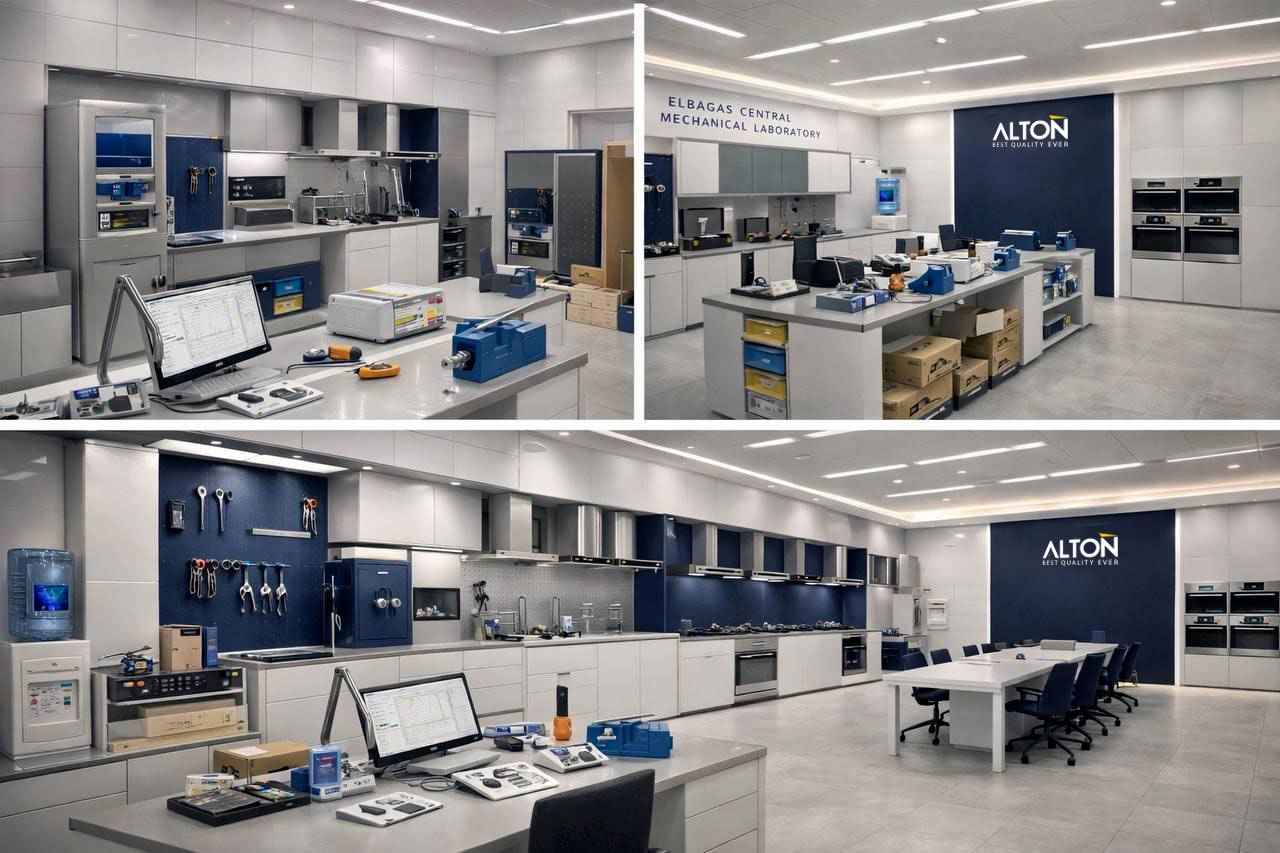
Manufacturing reality
Buildable design that survives real use.
Durable materials, predictable maintenance, and manufacturing-ready details prevent “beautiful friction” — the hidden cost inside commercial spaces.

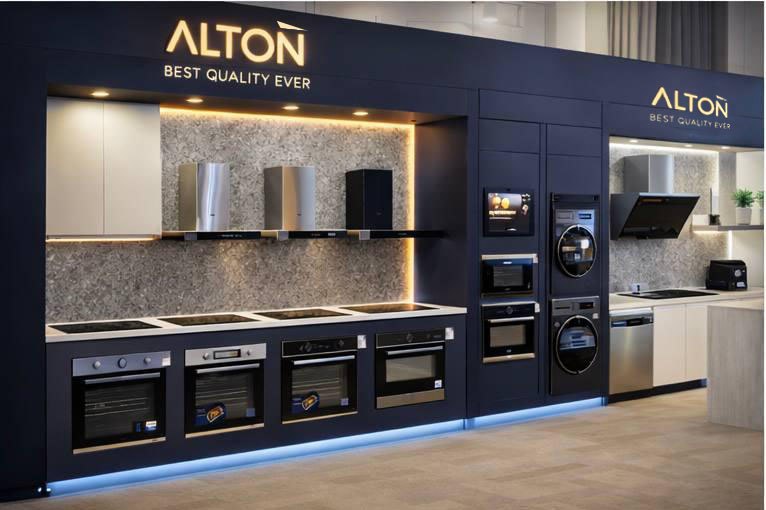
Interface design
Where decisions happen, and how they move.
Counters, displays, and signage are business interfaces. We design them for flow clarity, conversion confidence, and operational speed.
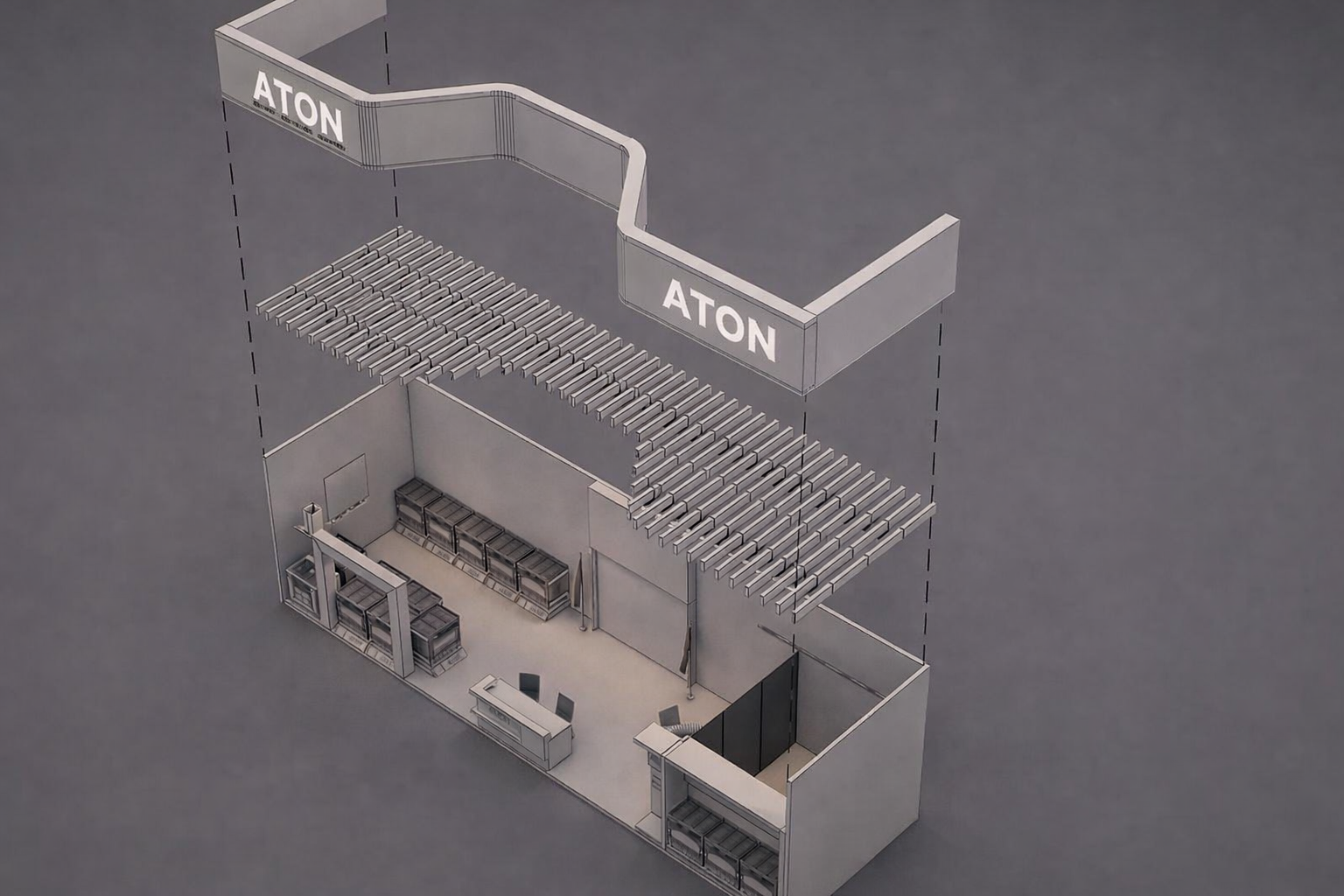
Repeatable standards
Consistency across teams, vendors, and locations.
Brand-led interiors require rules — specs, tolerances, and documentation that keep the system intact as you scale.
Marketing integration
Space as a distribution channel.
Your environment should support marketing and advertising — content capture, product storytelling, and brand signals designed for recognition.
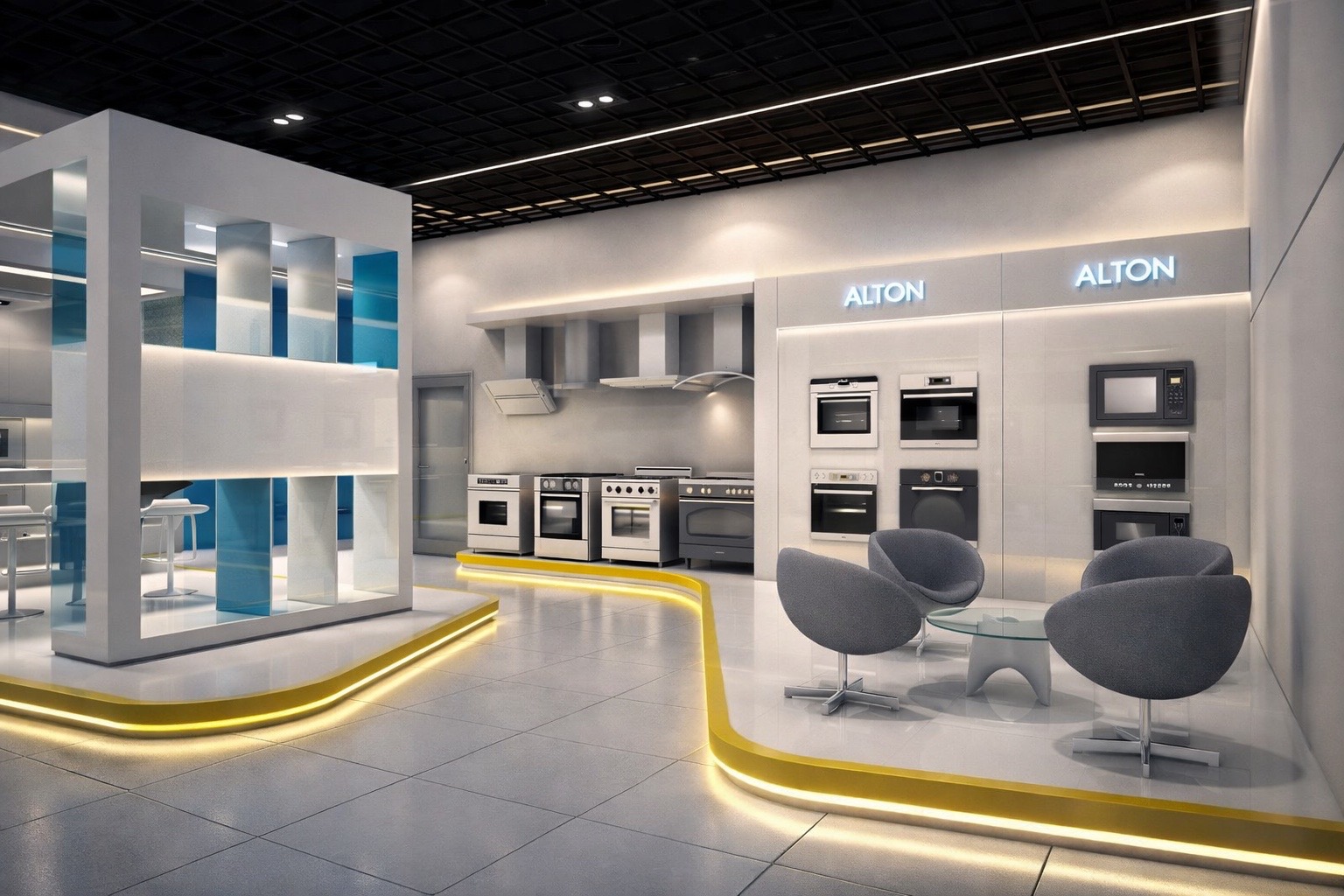
Performance under pressure
Clear zones. Clear story. Faster outcomes.
In high-traffic settings, zoning and hierarchy determine speed, safety, and decision flow. We design for clarity — not chaos.
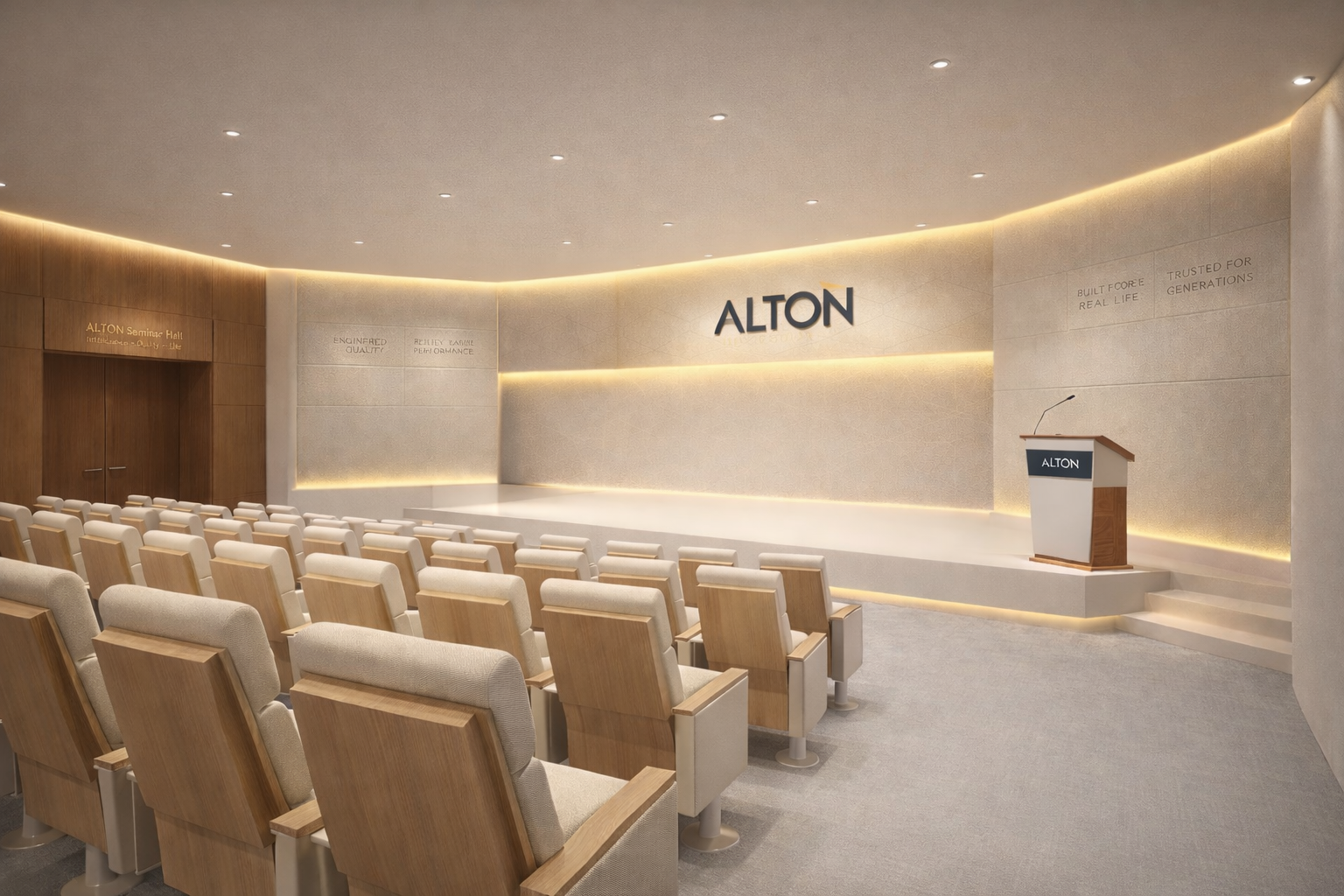
Culture & learning
Spaces that support trust, training, and alignment.
Seminar and meeting environments shape culture — the tone of leadership, clarity of communication, and alignment of teams.
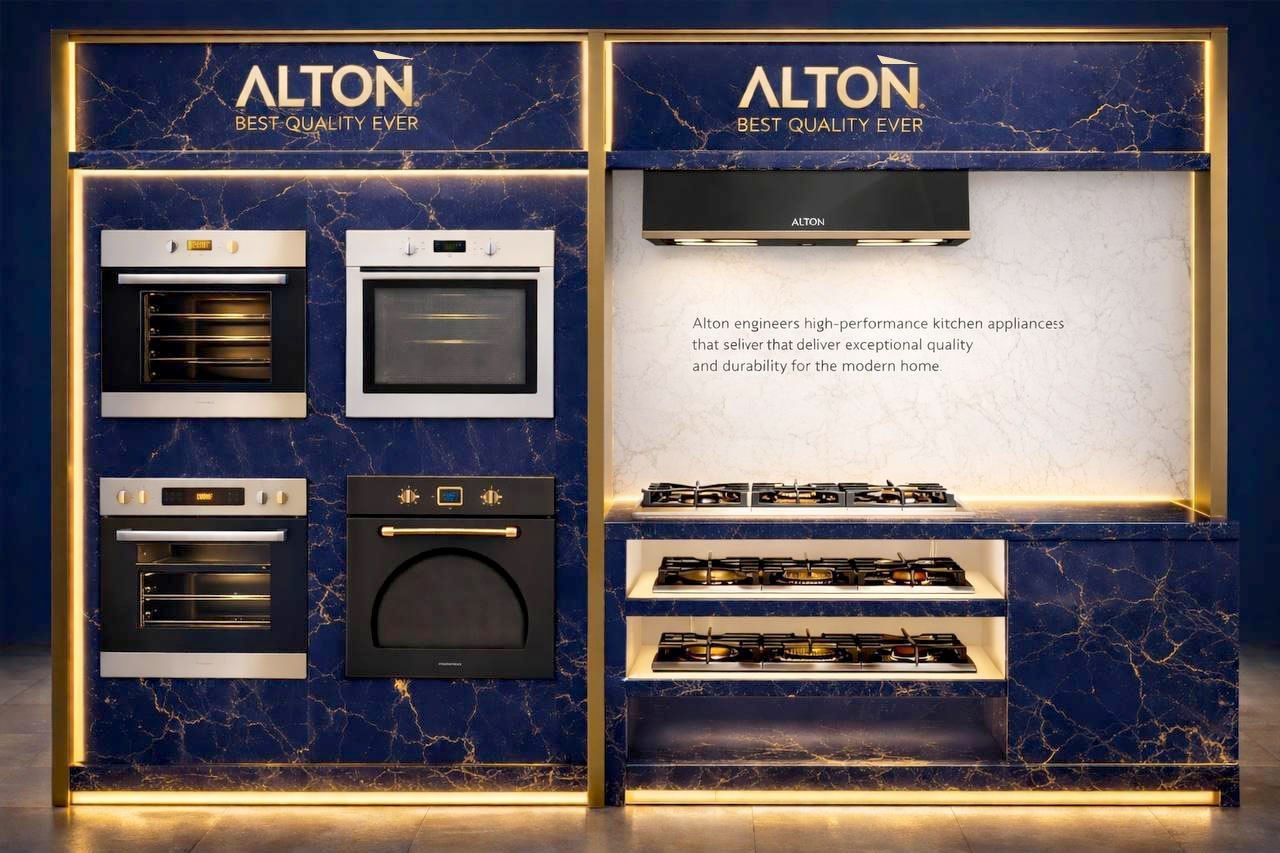
Brand proof
The interior must match the brand promise.
Brand values are not trends. They come from research and competitive truth — and the environment must reinforce that positioning every day.

Operational design
Workflow clarity for staff. Confidence for customers.
A commercially effective interior reduces friction, supports maintenance, and improves the daily operating rhythm of the business.
Explore the full interior strategy system.
Cluster pages reinforce authority and make the pillar “cook” through semantic structure.
FAQ — commercial interior design with brand strategy.
Short, executive answers built for search intent and conversion clarity.
What is commercial interior design?
Commercial interior design is the planning and design of business environments — offices, headquarters, retail, clinics, showrooms, and sales centers. At Absolute Creative, we treat commercial interiors as performance systems: flow clarity, durable decisions, operational efficiency, and brand alignment that supports branding, marketing, and advertising.
How is architecture different from brand-led interior design?
Architecture defines structural realities: code, constraints, and the building envelope. Brand-led interior design translates business strategy into space — shaping trust signals, customer behaviour, staff workflow, and the interfaces where decisions happen. The interior becomes physical proof of the brand.
Why does interior design manufacturing matter?
Because commercial environments must survive real use. Manufacturing-ready interiors include buildable details, consistent specs, vendor realities, installation conditions, and maintenance logic. Without that, even good-looking spaces become expensive friction.
How does interior design impact profitability?
Profitability improves when the environment reduces friction and increases confidence: clearer zoning, faster decision flow, better customer experience, improved staff efficiency, fewer maintenance problems, and stronger brand credibility that supports conversion.
What industries do you serve?
We design commercial interior systems across industries — offices and headquarters, retail environments, product display systems, and brand-led spaces where consistency and performance matter. Our work integrates branding, marketing, and advertising so the environment reinforces business growth.
Schedule a Brand & Space Strategy Consultation.
If you want your commercial interiors to perform better — through stronger standards, brand alignment, and smarter production decisions — we’ll help you define the strategy, design the system, and deliver a buildable environment.