
The Thrill of Uncertainty
The psychology of casino gambling often hinges on the excitement that comes from uncertainty. Players experience an adrenaline rush when they place bets, not knowing the outcome. This unpredictable nature engages the brain’s reward system, releasing dopamine and creating a pleasurable sensation. It’s the thrill of the gamble that keeps players coming back, as they chase the high of a potential win, even if it means facing significant losses. Some enthusiasts even consider resources like 1win to enhance their overall gaming experience. This complex emotional cocktail is a key factor in the appeal of gambling.
Moreover, the structure of games in casinos is designed to enhance this feeling. The sounds of spinning wheels and the flashing lights of machines amplify the excitement and encourage continuation. Players are often drawn in by near-misses, which can trick the brain into thinking that a win is just around the corner. This false sense of hope can lead to a cycle of repeated betting, where the anticipation of winning overshadows the reality of losses. The very nature of chance plays into this, as the unpredictability can create a magnetic pull for those seeking thrills.
To further illustrate, consider how slot machines are intentionally programmed to create a sense of suspense. Players may experience a “close call” when the symbols almost align, which can reinforce their desire to continue playing in hopes of a future win. This psychological tactic manipulates behavior, resulting in longer play sessions and increased financial investment. The allure of uncertainty, therefore, serves as a potent catalyst in the world of casino gambling, creating a compelling environment that keeps players engaged and hopeful for a favorable outcome.
The Role of Cognitive Biases
Cognitive biases play a significant role in how players perceive their odds in gambling scenarios. One prevalent bias is the illusion of control, where gamblers believe they can influence outcomes through skill or strategies, even in games of chance like roulette or slots. This belief can lead to overconfidence, encouraging players to wager more than they can afford. They may think that their experience or intuition can alter fate, which further entices them to engage in riskier bets, often leading to substantial losses that could have been avoided.
Another common bias is the gambler’s fallacy, which occurs when individuals believe that past random events affect future probabilities. For example, if a player witnesses a particular number not being drawn in a roulette game, they may wrongly assume that it is “due” to appear soon. This misconception can prompt increased betting on that number, leading to serious financial consequences. Awareness of these biases helps explain why players often make irrational decisions when gambling, as they may misinterpret statistical information and past outcomes.

Furthermore, the availability heuristic influences how players recall their wins and losses. Gamblers often remember their victories more vividly than their defeats, which skews their perception of overall success. This selective memory can create a false narrative of frequent wins, reinforcing the desire to gamble despite the actual odds. Overall, cognitive biases deeply affect the gambling experience, making it crucial for players to recognize and mitigate their influence to make informed decisions while gambling.
Emotional Triggers and Gambling
Emotions significantly impact gambling behavior, with players often using gambling as a means to escape from stress, anxiety, or depression. The casino environment, vibrant and full of energy, can serve as a temporary distraction from real-life problems. When individuals are battling emotional turmoil, they may turn to gambling in search of relief, believing that a win can solve their issues. Unfortunately, this can lead to a vicious cycle of addiction, as losses can further exacerbate negative feelings, creating a loop of emotional distress and gambling as a coping mechanism.
Moreover, the social aspect of gambling can trigger emotional responses. Players often feel a sense of camaraderie with others in the casino, sharing in moments of suspense or excitement. This social interaction can be intoxicating, and individuals may find solace in the collective enthusiasm of fellow gamblers. However, this communal experience can also lead to peer pressure, pushing players to gamble more than they intended to fit in or keep up with their friends, which can lead to reckless financial behavior and potential addiction.
Additionally, many casinos employ strategies to heighten emotional engagement, such as complimentary drinks or rewards programs that acknowledge the player’s loyalty. These incentives are designed to create a positive feedback loop, where the enjoyment of gambling is paired with emotional highs and social validation. As a result, the interplay between emotions and gambling can be both a source of joy and a pathway to problematic behavior, highlighting the complexities of the psychological landscape in casinos and the need for awareness of emotional influences.
The Impact of Environment and Design
The casino environment is meticulously crafted to enhance the gambling experience, influencing players’ psychological states and encouraging continued play. Elements such as lighting, sound, and layout are strategically designed to create an immersive atmosphere that captivates players. Bright lights and vibrant colors stimulate excitement, while soothing sounds of winnings reinforce the idea that success is achievable. This sensory overload creates a euphoric state that can lead to extended gambling sessions, as players become absorbed in the environment.
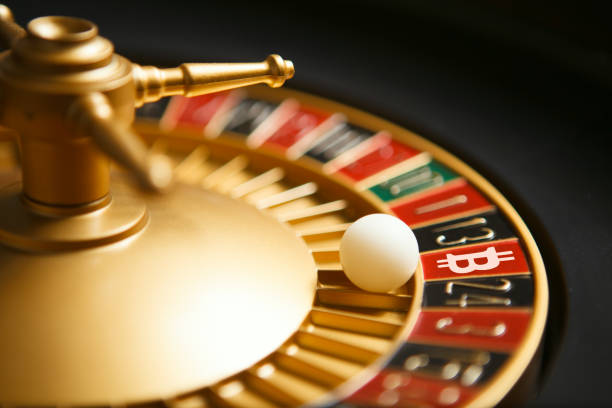
Furthermore, the layout of casinos is often designed to keep players engaged and disoriented. The absence of clocks and windows can create a sense of timelessness, making it easy for individuals to lose track of time while gambling. This deliberate disorientation can lead to prolonged gambling sessions, as players become engrossed in the activities around them without realizing how much time has passed. The psychological impact of this design is profound, as it removes natural cues that would prompt individuals to take breaks and reevaluate their gambling behavior.
Moreover, casinos utilize reward systems to cement loyalty and maintain player interest. Loyalty programs offer incentives such as free plays, meals, or accommodations, creating a strong psychological association between gambling and rewards. This connection can lead players to feel valued and appreciated, reinforcing their desire to return to the casino. Thus, the strategic elements of environment and design play a critical role in shaping gambling behavior and sustaining the allure of the casino experience, often contributing to the challenges of responsible gambling.
Exploring Responsible Gambling
Understanding the psychology of casino gambling is crucial for promoting responsible gaming practices and protecting players from potential harm. Education on the psychological aspects of gambling can empower individuals to recognize when their engagement is becoming problematic. By providing resources and support, casinos can help mitigate the risk of addiction and promote healthy gambling habits. Responsible gambling initiatives often include self-exclusion programs, where players can voluntarily limit their access to gambling activities and receive guidance on managing their behavior.
Moreover, awareness campaigns target the cognitive biases discussed earlier, helping players understand the odds and the impact of their emotions on decision-making. This information is essential for fostering informed gambling choices, as it encourages individuals to approach gambling as a form of entertainment rather than a source of income. Resources such as hotlines or counseling services are also vital for individuals struggling with gambling addiction, offering them the necessary support and guidance to seek help and make better choices.
Additionally, casinos can create environments that prioritize responsible gambling through thoughtful design and user-friendly interfaces. Features such as setting betting limits, displaying reminders of the time spent gambling, and minimizing the impact of atmospheric elements can help players make better choices. By integrating these practices, the gambling industry can contribute to a culture of responsible gaming, ensuring that the excitement of gambling does not come at the expense of player well-being and fostering a healthier relationship with gambling.